
Author: Eden Blackwell, MPH
-

Postpartum Medicaid | 2021 Issue Brief
Addressing gaps in coverage to improve maternal health For the print-friendly version, click here. Receiving medical care at all stages of childbearing from preconception and pregnancy to delivery and postpartum has implications for women’s health, infant health, and later episodes of pregnancy. This brief explores the postpartum period when some…
-

Comprehensive Maternal Health Coverage
Women Need Quality Healthcare Before, During, and After PregnancyWomen need quality healthcare before, during, and after pregnancy for the best outcomes for moms and their babies. Through Medicaid, pregnant women with household incomes of up to 200% of the Federal Poverty Level (FPL) can gain access to health services during and a…
-

Presumptive Medicaid Eligibility For Pregnant Women | 2020 Overview
Its Potential Impact on Mississippi’s Birth Outcomes To download the print-friendly version, click here. Presumptive Eligibility for Pregnant Women (PEPW) is an optional program for states within the Medicaid program. If a state chooses to offer PEPW this means that a low-income woman who is pregnant and seeks medical services…
-

Midwifery Care & Birth Centers | 2020 Issue Brief
To download the print-friendly version, click here. As Mississippians cope with a lack of obstetric services in over half of counties in the state, an increasing number of women desire to have less-medicalized births outside of a typical hospital setting. The number of planned births that occurred outside of a…
-

The Medicaid Family Planning Waiver
One Tool in the Box to Support Maternal & Child Health in MississippiSince the early 2000’s the United States experienced a rise in the number of preventable pregnancy-related deaths as well as maternal and infant illness despite broader access to healthcare through insurance, managed care, and health educators. Mississippi has…
-

The Importance of Comprehensive Contraceptive Counseling
Conversations of Pros and Cons Can Lead to More Informed DecisionsIt has been nearly 60 years since birth control pills became available to women in the United States. Since that time many forms of birth control have been approved by the Food and Drug Administration (FDA).
-

Contraceptive Access, Choice, & Utilization | 2019 Issue Brief
A Survey of Mississippi Women Mississippi women have historically reported high rates of unintended pregnancy. The Affordable Care Act and state-level health policies have broadened access to reproductive health services and contraception in recent years benefitting Mississippians of all incomes. Access to contraception including the most effective reversible forms of…
-

A Quick Look at Contraceptive Access in Mississippi
Are Mississippians Limited in Their Birth Control Options?Women in Mississippi give birth to around 38,000 babies per year on average (though the number is declining in step with birth rates around the region and nation).
-

Publicly Funded Contraceptive Services | 2018 Factsheet
Mississippi County-Level DataIn Mississippi, more than half of women of childbearing age are estimated to be avoiding pregnancy and in need of contraceptive services. Twenty percent of women ages 15-44 are uninsured, meaning they are without access to quality contraception without cost-sharing through public or private health insurance. However, they…
-
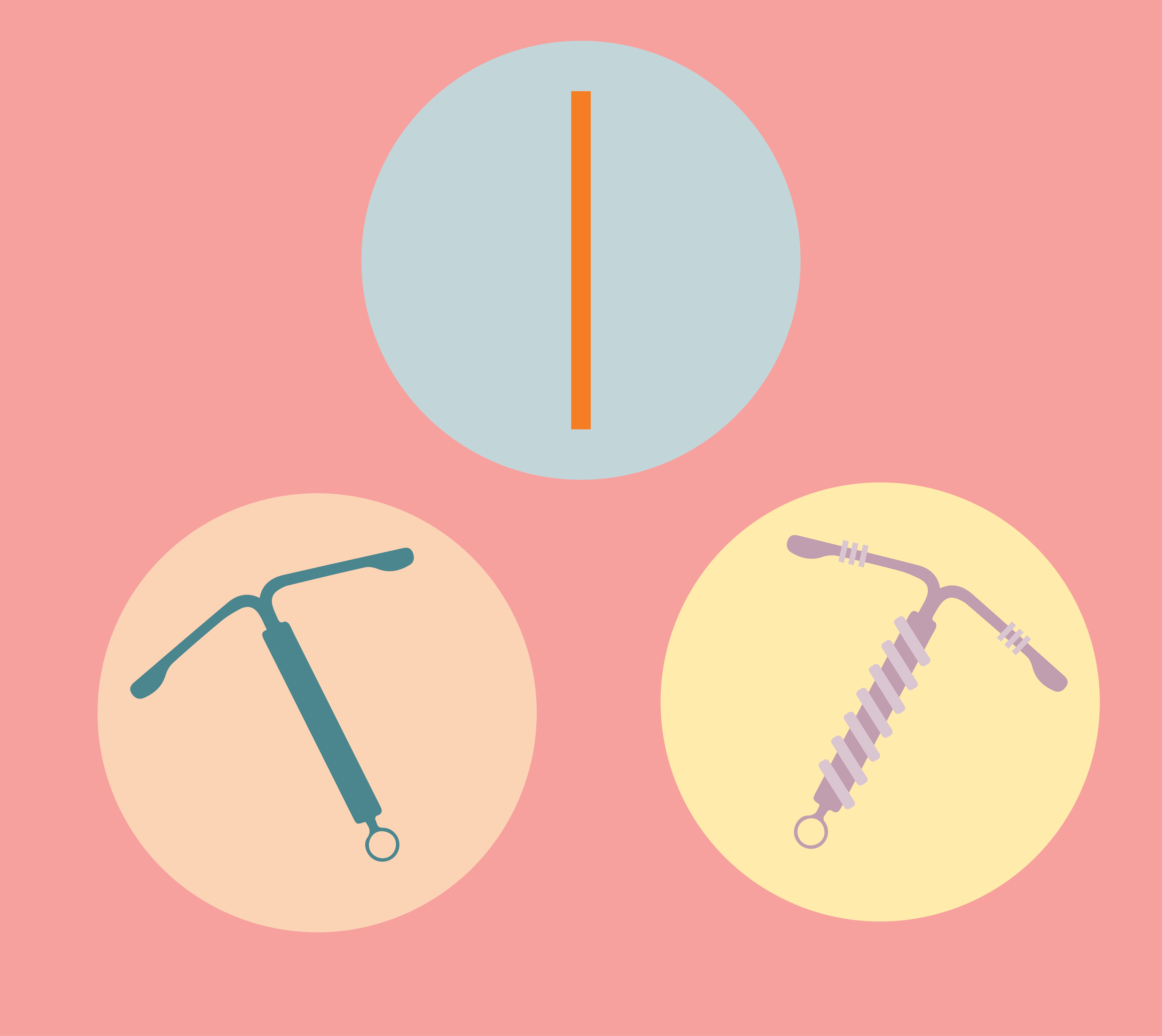
Long-Acting Reversible Contraceptives | 2018 Issue Brief
A Survey of Mississippi Health Care Providers For the print-friendly version, click here. | To download the report, click here. Women in Mississippi experience high rates of unintended pregnancy, which can be associated with the use of less effective methods of contraception. In an effort to better understand the role…